Digging for Nothing: Why America's Mineral Wealth Means Little Without the Capacity to Refine It
There is something deeply counterintuitive about the current state of American mineral extraction. The nation possesses significant deposits of lithium, cobalt, nickel, rare earth elements, and a range of other materials that underpin modern technology, clean energy infrastructure, and national defense systems. And yet, despite the geological good fortune buried beneath American soil, US manufacturers frequently purchase refined versions of those same minerals from foreign suppliers—suppliers who often processed the raw material that originated in the United States in the first place.
This is not an abstraction. It is a structural flaw embedded in the domestic supply chain, and it carries real economic and strategic consequences for American industry.
The Gap Between Extraction and Value
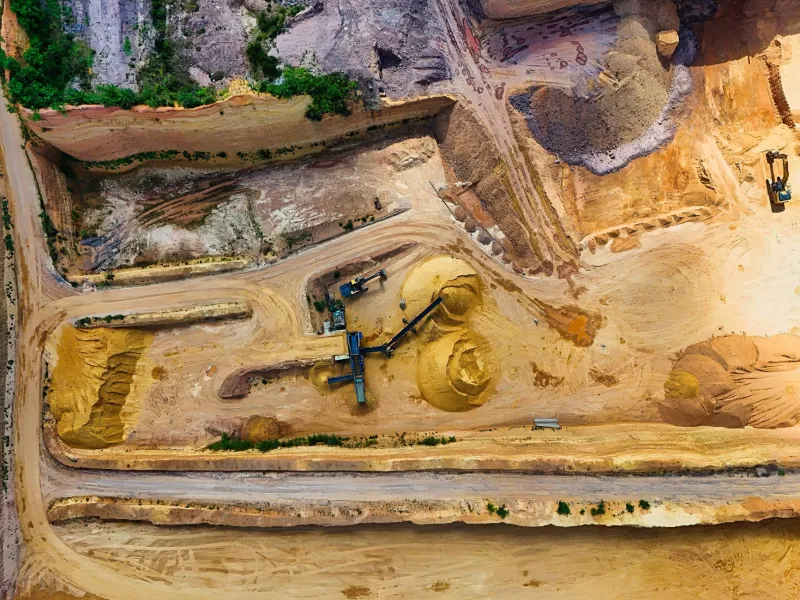
Mining a mineral and refining it are two entirely different industrial undertakings. Extraction involves locating, accessing, and removing ore from the ground. Refining—or processing—transforms that raw ore into a usable, market-ready material. The difference in value between unprocessed ore and a battery-grade or electronics-grade refined product can be substantial, sometimes representing multiples of the original extraction price.
For decades, the United States allowed its downstream processing capacity to atrophy. As domestic environmental regulations tightened and labor costs rose through the latter half of the twentieth century, refining operations migrated to countries with more permissive industrial frameworks. China, in particular, made aggressive investments in processing infrastructure across a wide range of critical minerals, eventually establishing dominance not just in refining capacity but in the technical expertise required to operate it.
The result is a supply chain with a gaping hole in the middle. American mining companies pull ore from the ground, but without sufficient domestic refining capacity, that material must often be shipped abroad for processing. It then returns to the United States in refined form, sold at prices that reflect both the processing margin and the geopolitical leverage of the refining nation.
Why Domestic Refining Has Stalled
The barriers to rebuilding US processing capacity are neither simple nor easily dismissed. They span regulatory, economic, and infrastructure domains, and they interact with one another in ways that make the problem stubbornly resistant to incremental solutions.
Permitting timelines represent one of the most frequently cited obstacles. Constructing a new mineral processing facility in the United States typically requires navigating a complex web of federal and state environmental reviews, community approval processes, and agency coordination requirements. These processes can extend for years, adding significant uncertainty and cost to capital investment decisions. When a company is weighing whether to build a refinery in Nevada or route material through an existing facility in Asia, the time and cost differential frequently tilts the decision offshore.
Capital intensity compounds the problem. Refining infrastructure is expensive to build, expensive to operate, and requires sustained throughput to achieve economic viability. Investors evaluating a domestic processing facility must contend with construction costs, permitting risk, workforce development requirements, and the competitive pricing pressure of established foreign refiners who benefit from decades of operational scale and, in some cases, state subsidies. Without long-term offtake agreements or government-backed financing mechanisms, the business case for new domestic facilities can be difficult to close.
Workforce availability adds another layer of complexity. The technical expertise required to operate advanced mineral processing equipment is specialized, and the domestic pipeline of trained metallurgists, process engineers, and refinery technicians has not kept pace with the sector's needs. Rebuilding that human capital base is a generational undertaking that cannot be resolved through policy alone.
The Strategic Cost of Dependency
The economic inefficiency of shipping raw materials overseas for refinement would be troubling enough on its own. But the strategic implications extend well beyond margin compression.
When processing capacity is concentrated in a small number of foreign nations, those nations acquire leverage over American manufacturers that extends far beyond normal commercial relationships. Supply disruptions—whether caused by trade disputes, geopolitical tensions, natural disasters, or deliberate policy decisions—can cascade through domestic industries in ways that are difficult to anticipate and even harder to mitigate quickly.
The COVID-19 pandemic offered a vivid demonstration of how supply chain vulnerabilities translate into real-world operational disruptions across multiple sectors simultaneously. For industries dependent on refined critical minerals—electric vehicle manufacturers, semiconductor producers, defense contractors, renewable energy developers—a comparable disruption in mineral processing capacity could be far more severe and far more difficult to recover from.
This is not a hypothetical concern. It is a documented vulnerability that has been acknowledged at the highest levels of federal policy, reflected in executive orders, legislative initiatives, and Department of Defense assessments. The recognition is widespread. The response, however, remains incomplete.
Companies Building the Bridge
Despite the formidable barriers, a growing cohort of American mining and materials companies is making serious investments in domestic processing capability. These efforts take different forms depending on the mineral involved, the scale of operation, and the available financing.
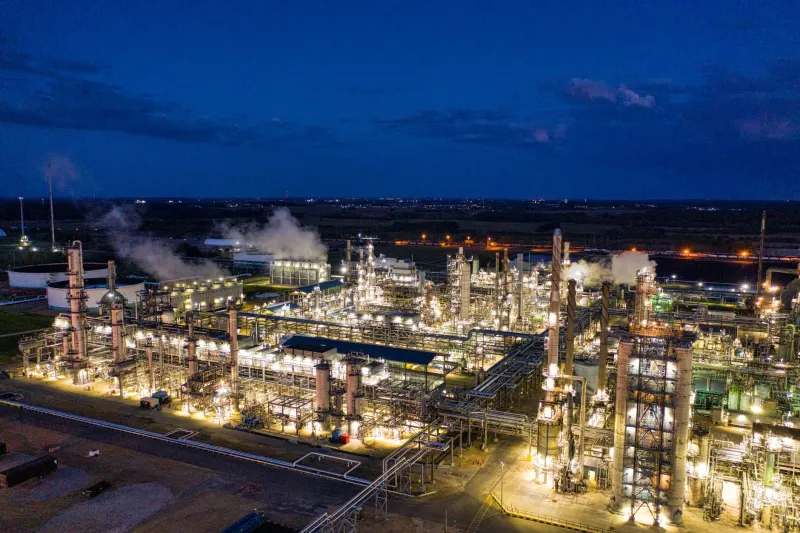
Some operators are pursuing vertical integration directly, investing in refining infrastructure adjacent to or near their extraction sites. This approach shortens the supply chain, reduces logistics costs, and keeps value-added processing within the domestic economy. It also creates a stronger commercial argument to potential customers who are increasingly prioritizing supply chain transparency and domestic sourcing.
Others are partnering with materials science companies, national laboratories, or federal agencies to develop processing technologies that are better suited to American ore characteristics and regulatory environments. The technical requirements for refining vary significantly depending on ore grade and composition, and solutions developed for foreign ore bodies do not always translate directly to domestic deposits.
Federal programs administered through the Department of Energy and the Department of Defense have also begun directing capital toward domestic processing projects, recognizing that market forces alone are unlikely to close the infrastructure gap at the pace national security considerations require. Loan guarantees, grants, and offtake arrangements are among the tools being deployed to improve the risk-adjusted economics of domestic facility investment.
A Supply Chain That Starts and Ends Here
The long-term objective is not complicated to articulate, even if it is difficult to achieve: a supply chain in which American minerals are extracted, processed, and delivered to American manufacturers without unnecessary foreign intermediaries. This vision supports domestic employment at every stage of the value chain, reduces exposure to geopolitical disruption, and ensures that the economic benefit of the nation's mineral wealth is captured within the domestic economy.
Achieving that vision will require sustained commitment from operators, investors, policymakers, and communities. It will require permitting reform that maintains environmental standards while reducing unnecessary delays. It will require capital structures that make domestic processing economically viable against established foreign competition. And it will require a workforce development effort commensurate with the scale of the industrial rebuild being contemplated.
The minerals are in the ground. The question is whether the United States will build the infrastructure to turn them into something worth having—or continue to export raw wealth and import finished products at a premium the country can no longer afford to pay.